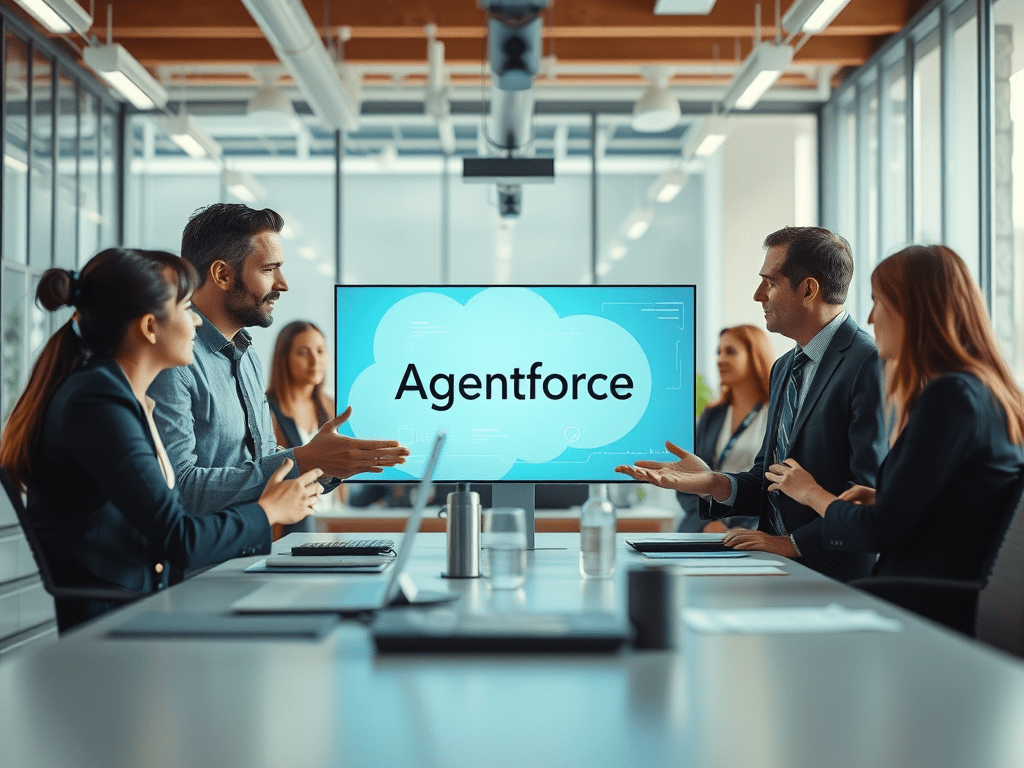
Salesforce has fired the starting gun on a seismic shift in how software pricing is structured. At the centre of this evolution is their new AI agent, Agentforce, which moves away from the traditional per-seat SaaS model towards an outcome-based pricing structure. This represents a significant departure from simply paying for access to technology. Instead, businesses will now pay for the tangible value and outcomes delivered.
In an era where AI agents like Agentforce can handle tasks that would have required entire departments, it no longer makes sense to charge based on the number of users. Historically, businesses were paying for large numbers of software licences—sometimes purchasing 500 seats, even though only 100 were actively used. Salesforce’s shift to charging $2 per conversation signals the end of this inefficiency, and positions them to capitalise on a growing trend of consumption-based pricing models.
Intercom, EvenUp, and Chargeflow have already made strides with outcome-based pricing, and Salesforce is now joining the party. While Agentforce’s starting price may seem steep at $2 per conversation, it reflects confidence in the value and volume businesses can extract from the product.
However, there are inherent challenges with this model. Pricing unpredictability is one of the key risks of outcome-based pricing, as businesses working off rigid budgets will struggle to approve investments if they cannot estimate costs accurately. To make this model successful, Salesforce’s sales reps will need tools to forecast expected usage and provide customers with pricing ranges or caps to ensure costs remain manageable.
To better understand this shift, it’s useful to consider the Revenue Architecture Model, which outlines three primary monetisation strategies: ownership, subscription, and consumption. As companies like Salesforce move towards the consumption model, risk shifts from the buyer to the seller. In ownership models, buyers bear the risk of the upfront purchase, amortised over several years. In contrast, in a consumption model, it’s the seller that takes on more risk, including sales and marketing costs and infrastructure commitments.
As pricing models evolve, so too will sales cycles, win rates, and growth rates. Salesforce’s decision to transition to outcome-based pricing is ambitious, but as Adobe’s shift from perpetual software to subscription software demonstrated, such changes are significant undertakings. It took Adobe several years to recapture its revenue growth after making the leap.
This new era in SaaS pricing is not without its risks, but it is also full of opportunities. Businesses that embrace this model will benefit from clearer ROI, greater flexibility in scaling their usage, and a pricing structure that more directly reflects the value they receive from their technology investments. However, it will be essential for companies to work closely with revenue architects or consultants to navigate this transformation, ensuring they can fully harness the benefits of outcome-based pricing.
In summary, Salesforce’s move with Agentforce represents a fundamental shift towards pricing models that focus on outcomes rather than access. As this approach becomes more widespread, businesses will need to adjust their budgeting strategies, expect greater transparency in their technology investments, and prepare for a more flexible and value-driven future.